5 industries that benefit the most from digital signatures in logistics
2023-09-06 | 10 min News
Tradition and innovation in logistics intersect in the digital signature.
In an era of increasing digitalization, logistics is at a crossroads. Logistics companies are increasingly faced with the need to adapt to new technologies, especially in the areas of digital transformation and automation. This transformation is not just a trend, but a necessity for the efficient management of goods and information flows in supply chains.

A digital signature serves as an electronic mark that verifies the identity of an individual or organization and guarantees that the document has remained unchanged since its creation. In logistics, this tool plays a key role:
- it ensures confidentiality,
- authenticity
- and integrity of documentation
related to transport, storage, and other handling and movement processes of goods.
This technology not only protects against document forgery or unauthorized access, but also significantly optimizes administrative processes. Thanks to the digital signature, logistics companies can save time and resources and reduce errors.
However, it is important to understand that digitalization in logistics is not only about security. It represents a wide spectrum of advantages and opportunities for modernizing the entire sector. There are several industries that immediately benefit from the digital signature in logistics. And that not only for the purpose of increasing efficiency and ensuring the smooth running of their operations.
E-commerce
As one of the fastest-growing industries, e-commerce is becoming the center of business activities for many companies and consumers. In this dynamic environment, the digital signature appears not only as a useful, but an outright necessary tool for securing a large number of online transactions.
For example, already when purchasing in an e-shop, the seller can make sure—through a digital signature—that the order comes from a real person and not from a fraudster or a bot. This electronic tool verifies the customer’s identity, while also ensuring that the data in the order has remained unchanged since the moment it was sent. This significantly reduces the risk of forged orders or data manipulation.
Moreover, in an environment where online shopping is becoming a normal part of many people’s lives, trust between the seller and the customer is key. The digital signature strengthens this trust. When customers see that their orders are protected by a digital signature, they feel safer and are more likely to decide to purchase.
In the e-commerce environment, where every transaction matters and where integrity and trust come first, the digital signature does not bring only technical advantages, but also real value for both sellers and customers.
The most common use of a digital signature in e-commerce is:
- Customer identity verification: A digital signature allows e-shops to verify whether the person making the purchase is really who they claim to be.
- Order validation: When confirming a purchase, a digital signature can be used to validate and secure the transaction.
- Secure communication between seller and customer: All messages or information that are electronically signed guarantee the authenticity of the sender and the integrity of the sent content.
- Verification of electronic invoices: E-invoices can be signed digitally, confirming their authenticity and legitimacy.
- Authorization of goods returns: For return requests, a digital signature can be used to verify and authorize the return process.
- Digitally signed contracts: When selling specific products or services, the e-shop may require customers to sign contracts or agreements, which can be carried out effectively and securely using a digital signature.
- Securing membership accounts: During registration or updating data in membership accounts, a digital signature can be used to verify the member’s identity and protect their data.
- Verification of digital gift cards and coupons: When purchasing or redeeming digital gift cards and coupons, a digital signature can be used to verify their validity.

Freight forwarding and couriers
Freight forwarding and courier services are used daily in both B2B and B2C environments. Let’s imagine a situation: a customer orders a product online and expects fast and hassle-free delivery. How can they be sure that the product delivered to their home went through the correct distribution route and was not unlawfully manipulated during transport? This verification is ensured by the digital signature. It serves as a seal of authenticity on documents related to transport, confirming that the goods were processed and delivered in accordance with the client’s standards and requirements.
The digital signature not only ensures verification of delivered goods, but also the related documentation—from picking protocols to delivery and handover notes. This excludes the possibility of incorrect or unauthorized handling of goods and adds another layer of protection against possible fraud.
Thanks to the digital signature, transport companies and carriers can provide their customers with transparency and certainty, which significantly increases their credibility on the market. At a time when customers value transparency and security more than ever before, the digital signature is not only a technological tool, but also a strategy for building long-term trust and loyalty.
The most common use of a digital signature in freight forwarding and courier services:
- Recipient identity verification: A digital signature ensures that the goods are delivered to the actual recipient, thereby reducing the risk of mistakes or fraud during delivery.
- Transport documentation: A digital signature is used to confirm and secure transport documents, ensuring transparency and credibility of the entire transport process.
- Contracts with clients and suppliers: All contracts and agreements with clients or suppliers can be signed digitally quickly and efficiently, speeding up the administrative process.
- Confirmation of the condition of goods upon receipt: When receiving goods, their condition can be documented and confirmed using a digital signature, minimizing the risk of disputes in case of damage.
- Electronic invoices: After transport is completed, electronic invoices can be issued and signed digitally, guaranteeing their authenticity and credibility.
- Confirmation of delivery time: A digital signature can be used to record the exact time of shipment delivery, providing accurate information for tracking purposes.
- Verification of drivers and means of transport: Using a digital signature, it is possible to verify the identity of drivers and authenticate means of transport, increasing transport security and transparency.
- Verification of supplier contracts: Contracts between forwarding companies and their suppliers can be easily and quickly verified and signed electronically.
Warehouses and warehouse logistics
As a key hub of the distribution network, it is important that warehouse processes are as efficient and error-free as possible. Proper inventory management can represent the difference between a successful and an unsuccessful business. In this context too, the digital signature brings many advantages.
Warehouse inventory often changes—goods arrive, are stored, moved, or dispatched. Each of these movements should be precisely recorded so that the warehouse operator always has an accurate overview of the quantity and location of individual items. The digital signature plays an important role here. How? It offers verified and secured documentation of every movement of goods in the warehouse. When something is moved or dispatched, the digital signature ensures that the information is correct, up to date, and cannot be manipulated.
With a digital signature, it is possible to minimize typical errors that can happen in a warehouse environment, such as incorrectly recorded quantities, confusion in identifying goods, or incorrect storage. This significantly reduces costs associated with errors and improves the overall efficiency of warehouse operations.
Ultimately, the digital signature in warehouse logistics is not only about technology. It is a strategy for warehouse operations that ensures accuracy, efficiency, and trust.
The most common use of a digital signature in freight forwarding and courier services:
- Verification of goods receipt: When receiving goods into the warehouse, a digital signature can be used to confirm receipt and record the date and time of arrival.
- Records of goods issue: When issuing goods, a digital signature ensures authenticity and a time stamp of when the goods were issued.
- Stocktaking: During inventory, results can be verified and recorded using a digital signature to ensure accuracy and responsibility.
- Contracts with warehouse partners: Contracts between warehouse operators and their partners or suppliers can be signed digitally quickly and reliably.
- Product documentation: Information on product specifications, production date, expiration date, and other important data can be verified by a digital signature.
- Verification of warehouse workers’ identification: When accessing sensitive areas or information, warehouse workers can be verified using a digital signature.
- Securing warehouse systems: Software systems in warehouses that manage stock and movements of goods may require a digital signature for access and data modification.
- Processing complaints and returns: When processing returned goods or customer complaints, a digital signature can be used to verify the reason for the return and its subsequent processing.
Suppliers and manufacturers
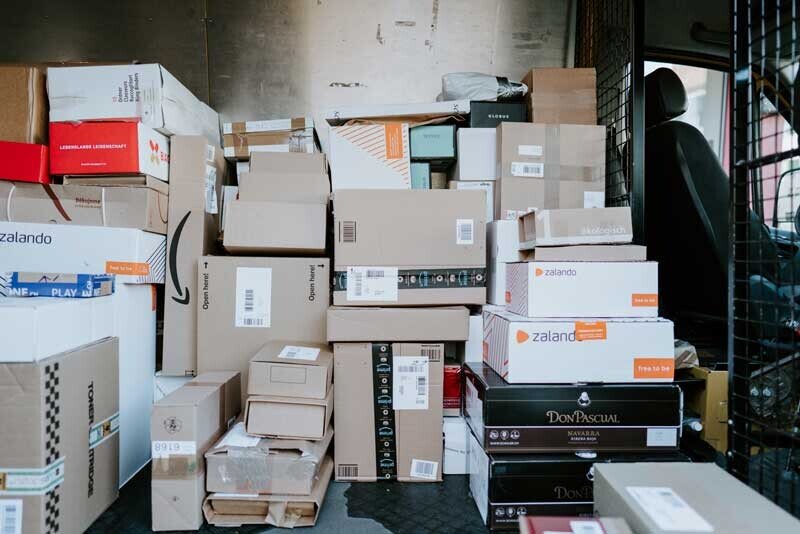
Suppliers and manufacturers stand at the beginning of supply chains and create products that end consumers use daily. But in this position they face many challenges, especially in logistics and administration. Imagine the volume of documents, contracts, orders, and delivery notes that must be processed daily. In such a complex environment, the digital signature can bring a revolution.
For suppliers and manufacturers, it is not only important to know where and when goods will be delivered. It is equally important to be sure that the administration associated with it is correct, verified, and unchanged. The digital signature serves to electronically secure documents. This means that when a document is signed digitally, its content remains unchanged and the authenticity of the signature is verifiable.
What does this mean for them in practice? Fewer errors in documents, faster approval processes, elimination of paper administration, and reduction of fraud risk. Thanks to this, the administrative burden is significantly reduced. Suppliers and manufacturers can thus focus their resources and effort on what they do best: producing and delivering quality products.
The most common use of a digital signature in freight forwarding and courier services:
- Contracts with business partners: A digital signature enables fast and reliable conclusion and verification of contracts between suppliers and manufacturers.
- Order confirmation: When ordering materials or semi-finished products, a digital signature can be used to confirm and verify orders.
- Qualitative and quantitative control documents: Certificates and quality control sheets for products can be verified with a digital signature, ensuring their authenticity.
- Product documentation: Technical sheets, manuals, certifications, or other related documents can be secured with a digital signature.
- Production records: Protocols and records of production batches, production times, and used materials can be verified and protected with a digital signature.
- Logistics and transport documents: Delivery notes and transport documents can be signed digitally, ensuring faster and more efficient transport of goods.
- Verification of employee identification: When accessing sensitive production areas or information systems, an employee’s digital signature may be required.
- Financial transactions and invoicing: A digital signature ensures the authenticity and integrity of invoices, accounting documents, and other financial transactions between suppliers and manufacturers.
International logistics
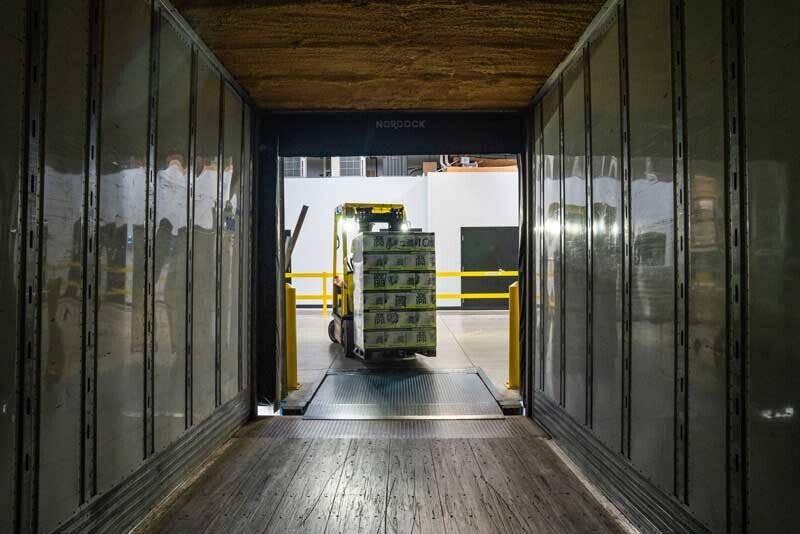
International logistics concerns the transport of goods across different countries, cultures, and regulatory environments. Each country has its own regulations, regulatory requirements, and documentation standards. Proper management of international logistics is therefore a challenge that requires accuracy, precision, and efficiency.
A container of goods traveling from Asia to Europe must pass through various customs control points, where every customs declaration, certificate of origin, or other required document is carefully examined. As soon as something is incorrect or missing, the goods can be stopped, leading to delays and additional costs.
A digital signature enables electronic verification and confirmation of document authenticity, significantly increasing trust in their genuineness. Customs authorities can quickly and easily verify that documents have not been changed and are in compliance with applicable regulations. The result is smooth and efficient movement of goods across borders. A digital signature also reduces the administrative burden associated with printed documents. Electronic documents with a digital signature are less demanding to store, easier to search for, and faster to process.
The most common use of a digital signature in international logistics:
- Customs declarations: A digital signature enables fast and reliable verification of customs documents when transporting goods across borders.
- Transport documents: Waybills, bills of lading, and other transport documents can be electronically signed for faster and more accurate processing.
- Contracts with international partners: When concluding contracts between logistics partners from different countries, a digital signature is an invaluable tool for ensuring the authenticity of the contract.
- Documents on the origin of goods: Certificates and declarations of the origin of goods can be verified with a digital signature, ensuring their genuineness.
- Permits and licenses: Various permits for transporting specific goods or entering certain areas can be confirmed and verified with a digital signature.
- Traceability records of goods: A digital signature can verify the authenticity of records of goods movement across international marketplaces.
- Confirmation of receipt and dispatch of goods: When receiving or dispatching goods at international terminals, a digital signature can be used for confirmation and documentation.
- Electronic invoices and payments: International financial transactions and invoicing can be quickly and securely verified using a digital signature.
- Verification of carrier identification: In situations where it is necessary to verify the identity of carriers or drivers in an international context, a digital signature can be key.
A digital signature helps logistics companies reduce administrative burden and provide better services to their customers. It also contributes to creating a smooth, transparent, and reliable supply chain that is beneficial not only for service providers, but also for their clients and business partners. Thanks to the digital signature, logistics becomes more modern, more efficient, and above all more trustworthy.